
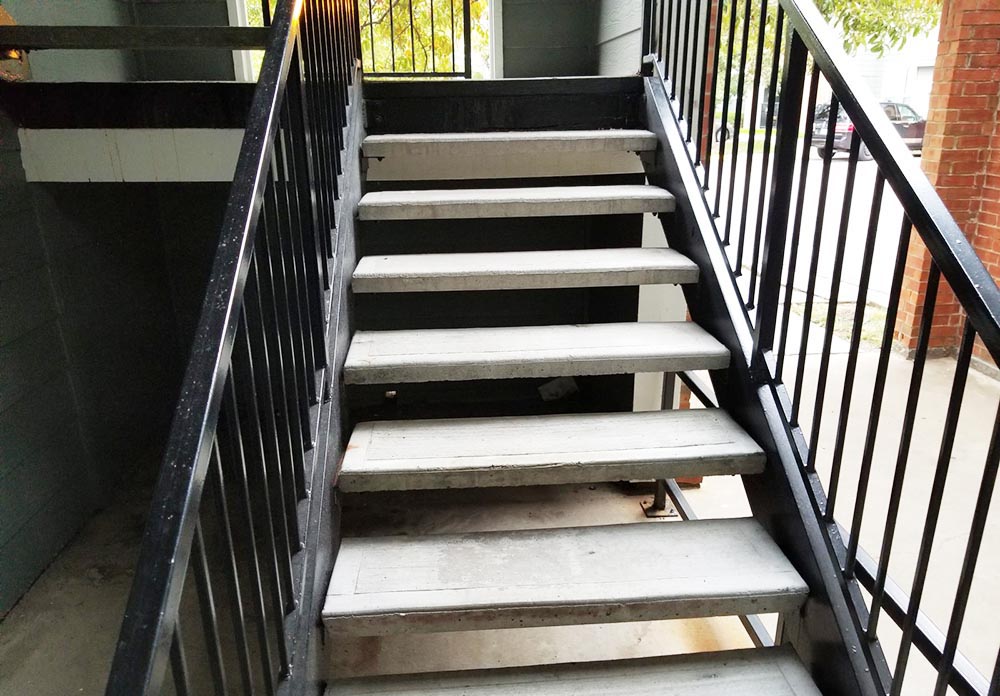

Concrete stair treads have long established themselves as one of the most durable and reliable options for residential and commercial spaces. Whether placed outdoors, leading up to an entrance, or used indoors as part of a bold architectural design, they embody both practicality and permanence. Homeowners who value longevity, safety, and a clean aesthetic often find concrete stair treads to be the perfect balance between structure and style. As someone deeply invested in home design, I have found that although they may appear utilitarian at first glance, with careful consideration they can contribute greatly to the overall personality of a home.
Why Choose Concrete Stair Treads
Durability plays a central role in why many people select concrete stair treads. Unlike wood, which can warp over time, or steel, which may rust without regular upkeep, concrete is capable of withstanding decades of use without significant compromise to its structural integrity. The material naturally resists weather elements including rain, snow, and exposure to sunlight, which makes it particularly suitable for outdoor installations. In high-traffic areas, especially public walkways and commercial buildings, concrete provides a reliable solution that does not deteriorate easily.
Another important factor is safety. Concrete stair treads offer a stable, non-flexing surface that prevents the kind of wobbling or creaking often associated with alternative materials. Homeowners who value security for children, elderly relatives, or simply peace of mind can count on concrete to hold steady. With the growing number of design options available, people no longer need to sacrifice beauty for strength. Textured finishes, decorative aggregates, and stains help stair treads match various architectural themes.
For homeowners doing research into safer flooring options, exploring alternatives such as best non-slip stair treads for safety at home can be valuable. While rubber or carpet offers added grip, concrete gives foundational stability that no lightweight material can replicate.
Precast Concrete Stair Treads: A Versatile Choice
Precast concrete stair treads have risen in popularity over the past decade, thanks to their balance between convenience and quality. Instead of pouring cement on-site, manufacturers create these treads in controlled environments, curing and finishing them before shipment. This approach improves consistency, minimizes construction delays, and reduces installation complexity. Precast options can be delivered in standard sizes or customized dimensions based on architectural needs.
For example, if a home project requires replacing worn-out wooden steps on a backyard patio, ordering precast concrete stair treads ensures a quicker turnaround. They arrive ready to be set into place, saving homeowners from the mess and unpredictability of mixing and pouring concrete themselves. Installers also appreciate precast pieces because they require less finishing work once installed, often just minor adjustments for alignment.
Aesthetic Appeal of Concrete Stair Treads
Many people are surprised by how much creative flexibility concrete can offer. While the word “concrete” sometimes conjures images of plain, gray surfaces, innovations in decorative finishes have transformed what is possible. Homeowners can now choose from:
- Smooth finishes for a sleek, modern appeal
- Exposed aggregate for natural stone-like textures
- Colored stains that replicate the warmth of earthy tones
- Stamped designs that mimic brick or wood grains
This means cement stair treads can easily complement surrounding features such as brick facades, wooden porches, or metal railings. For instance, pairing a contemporary steel railing with smooth concrete stair treads creates a chic, minimalist look perfect for modern homes. On the other hand, rustic stone patios often pair beautifully with exposed aggregate steps, which echo the earthy textures already present in outdoor settings.
Functionality for Outdoor and Indoor Use
One of the greatest strengths of concrete stair treads is versatility. Outdoors, they withstand constant exposure to environmental stress without rotting or splintering. They can be installed in gardens, leading up elevated patios, or at the main entrance of homes where heavy seasonal changes occur. Unlike wooden steps, which can become dangerously slippery when wet, properly textured concrete offers a naturally slip-resistant surface. Combined with outdoor anti-slip mats such as outdoor rubber stair treads for weather safety, homeowners create an even safer environment.
Indoors, concrete brings a bold industrial vibe that appeals to design enthusiasts looking for something unique. Polished concrete stair treads shine as focal points in open lofts or modern minimalist homes. They pair well with exposed brick walls, metal accents, and large open windows. Although concrete lacks the warmth of traditional oak or other woods, pairing it with warm lighting or soft furnishings can strike the needed balance of comfort and style.
Comparing Concrete with Other Types of Stair Treads
While concrete is exceptionally dependable, it is worth comparing against the alternatives so homeowners make fully informed choices. For instance:
- Wood stair treads: Classic and timeless, they bring natural warmth but may require refinishing, polishing, or replacement due to wear over time. Options like oak stair treads are particularly popular for their enduring elegance, yet they are more vulnerable to moisture damage compared to concrete.
- Carpet stair treads: Provide a softer, quieter, and more cushioned surface, ideal for families with kids or pets. Carpet stair treads are cozy but do not provide the permanent durability of cement stair treads, and frequent replacement becomes necessary.
- Rubber stair treads: Excellent for extra grip and weather resistance, but primarily suited for temporary solutions. Concrete, by contrast, is a far more permanent investment.
These comparisons underline why concrete stair treads remain the gold standard for those seeking long-term reliability with scalable design appeal.
Maintenance of Concrete Stair Treads
One of concrete’s greatest advantages as a building material is low maintenance. With only occasional cleaning, they can last decades without deterioration. Still, maintaining concrete stair treads properly extends their life and sustains their visual appeal.
- Routine cleaning: Sweeping dirt, mud, or debris prevents buildup that might cause discoloration.
- Sealing: Applying a high-quality sealer every few years helps protect against staining, freeze-thaw cycles, or salt use in winter.
- Damage inspection: Check for chips, cracks, or other minor damage that might worsen over time. Small repairs are easy and affordable compared to full replacements.
- Non-slip treatments: Especially in outdoor environments, applying a textured overlay or grip tape further enhances safety.
Because maintenance needs are minimal, concrete wins over high-maintenance materials like wood, which often requires sanding, staining, and refinishing.
Installation Tips for Homeowners
Installing concrete stair treads can be moderately challenging, but with professional assistance the process is smooth. For homeowners considering a DIY approach, purchasing precast concrete stair treads is generally easier. Professional installers often follow these guidelines:
- Ensuring precise measurements for uniformity
- Creating a stable base to avoid settling or shifting over time
- Using appropriate adhesives or anchors for safety
- Double-checking alignment with existing steps or frameworks
Those uncomfortable with handling heavy materials should rely on licensed contractors. Incorrect placement might lead to uneven surfaces, safety hazards, or long-term structural issues.
Cost Considerations
Concrete stair treads often provide better long-term value compared to alternatives, though initial costs might appear higher than less permanent materials. Price varies based on:
- Standard or precast concrete stair treads
- Size and thickness required
- Custom finishes, additives, or stains
- Professional installation vs. DIY setup
For most homeowners, the upfront investment quickly pays off since these steps require little upkeep and rarely need replacement.
Environmental Benefits of Cement Stair Treads
Cement stair treads are also a sustainable choice in many respects. Concrete’s longevity decreases demand for frequent replacements, lowering resource consumption over time. In addition, many manufacturers now incorporate recycled aggregates or supplementary cementitious materials, reducing carbon footprints associated with production. The availability of locally manufactured precast concrete also helps cut down on transportation emissions, making it environmentally practical for responsible homeowners.
Bringing It All Together
Concrete stair treads offer a rare combination of strength, safety, and design adaptability. Whether homeowners opt for precast concrete stair treads for quick installation or cement stair treads with custom finishes, the outcome is a long-term investment in both function and appearance. With low maintenance demands, versatile design possibilities, and resilience to weather and heavy usage, they continue to hold their place as a trusted choice.
Anyone considering updating stairways should weigh the temporary comforts of carpet or wood against the enduring reliability of concrete. Across generations of homeowners, concrete stair treads have proven themselves as more than a utilitarian necessity. They are a stable foundation that supports daily life, while also lending architectural character. For families and individuals who see their homes as long-term sanctuaries, choosing concrete stair treads is a decision that combines practical wisdom with timeless design.
By carefully considering all these aspects, from installation to aesthetics, you can confidently bring concrete stair treads into your home environment. Their strength and long-lasting nature ensure not only structural dependability but also peace of mind, making them a choice worth treasuring for decades to come.