
Peel and stick stair treads have become a favorite choice for homeowners looking for an affordable, quick, and stylish way to update their stairs. Functional yet beautiful, these handy flooring options help you safeguard your staircase, reduce slips, and create a homier atmosphere without the hassle of traditional installations. As someone who has spent years designing warm and approachable spaces, I can tell you that small design choices like this make a remarkable difference. Whether you live in a bustling family home with kids and pets or enjoy quieter evenings with a book in hand, self adhesive stair treads provide comfort, safety, and personality all in one simple upgrade.
What Makes Peel and Stick Stair Treads Different?
Unlike standard stair coverings or traditional carpet runners, peel and stick stair treads are designed with convenience at their core. Each tread comes with an adhesive backing that adheres directly to your stairs without nails, staples, or glue. This eliminates the need for professional installation, making it a perfect do-it-yourself project that even a first-time homeowner can manage.
Self adhesive stair treads also stand apart because of their versatility. They come in a wide range of textures, colors, and materials including carpet-like finishes, vinyl options, and even rubberized surfaces for high-slip areas. This flexibility allows you to tailor the appearance and function of your staircase while protecting its surface from scratches and wear.
Advantages of Using Stick On Stair Treads
Homeowners turn to stick on stair treads for practical and aesthetic reasons. Here are some of the main advantages to consider:
- Safety: The added grip reduces the likelihood of slipping, which is especially helpful for children, seniors, or pets navigating the stairs.
- Noise reduction: Carpeted versions absorb sound, softening the noise of footsteps going up and down.
- Easy installation: There is no need for complicated tools or costly labor. The backing peels away, and you press the tread into place.
- Affordable upgrade: Compared to refinishing or recarpeting stairs, this solution costs a fraction of the price.
- Protection for existing stairs: By covering the treads, you extend the life of wood and prevent scratches or dents.
- Design flexibility: Nearly limitless patterns and colors make it easy to match existing décor.
These benefits highlight why peel and stick stair treads continue to gain popularity among homeowners who want a simple, effective solution.
Best Materials to Consider
When selecting your self adhesive stair treads, the material plays a huge role in comfort, durability, and visual appeal.
Carpet Style
Carpet peel and stick stair treads provide warmth underfoot and soften each step. These are particularly useful in family homes where comfort is paramount. Many carpet versions are designed to withstand heavy foot traffic while offering a cozy, inviting look that makes stairs feel like part of the living space. You can explore more about carpet stair treads to see how they add both comfort and charm.
Vinyl or PVC
Vinyl stick on stair treads are moisture resistant and easy to clean. This makes them excellent choices for households with children or in entryways where muddy shoes may be common. They also mimic the look of wood or stone at a relatively low cost.
Rubber
Rubber treads are slip-resistant and often used in outdoor or basement staircases. If safety is your primary concern or you are protecting stairs in a wet environment, rubber options provide both grip and resilience. More details can be found regarding outdoor rubber stair treads where weather safety becomes an essential consideration.
Wood and Faux Wood
For those who love a traditional appearance, there are self adhesive stair treads made to replicate oak or other wood grains. This gives you the timeless look of wood steps while still affording the safety and simplicity of peel and stick versions. Some homeowners even pair authentic wood such as oak stair treads with adhesive versions for a layered design.
How to Install Peel and Stick Stair Treads
One of the main reasons people enjoy these products is the sheer ease of installation. Here is a step-by-step breakdown:
- Prepare your stairs: Start by cleaning each stair thoroughly. Remove dust, dirt, and any sticky residue so the adhesive backing will fully grip the surface.
- Measure first: While most treads come in a standard size, measuring ensures they line up evenly across each stair.
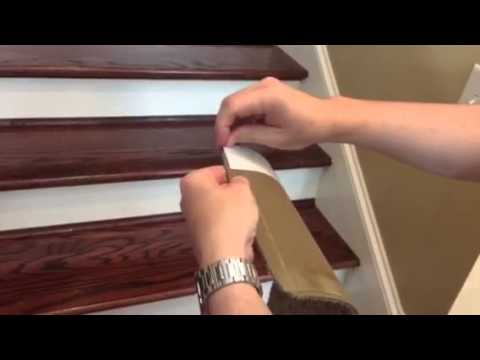
- Peel the backing: Carefully pull away the protective paper to expose the adhesive side.
- Press in place: Center the tread on the step, starting from one edge and smoothing down to avoid bubbles or wrinkles.
- Firm pressure: Press along the entire surface to lock it in place. Some homeowners even use a roller for a more secure adhesion.
If mistakes happen, many brands allow you to carefully lift and realign the tread before it sets fully. This flexibility makes them very forgiving during installation.
Styling Tips for Stick On Stair Treads
While safety and functionality come first, style should never be overlooked. Stairs often act as focal points in a home, and choosing the right design can enhance the entire space.
- Contrast with risers: Choose a stair tread color that contrasts with the stair risers for a bold, modern look. For instance, dark charcoal treads on white stairs create a striking effect.
- Stick with neutrals for longevity: Light grays, tans, and beiges are safe choices that can blend with almost any décor and stand the test of time.
- Patterns for visual interest: Geometric designs, stripes, or even subtle floral motifs add character without overwhelming the staircase.
- Consider your lighting: Darker colors highlight dust in bright spaces, while lighter tones can brighten stairwells with limited light sources.
The right peel and stick stair treads can unify your home’s design and add personality to an often-overlooked space.
Maintenance and Care
Self adhesive stair treads are designed with durability in mind, yet they still require maintenance. Vacuum carpeted treads frequently to prevent dirt buildup. For vinyl and rubber, a damp mop or cloth works well for routine cleaning. Avoid harsh chemicals, as they can weaken adhesive properties over time.
If you live in a high-traffic household, consider treads with washable designs. Some carpet styles can be removed, washed, and reapplied, which is an added advantage for families with pets or children.
Are Peel and Stick Stair Treads Right for You?
Every home is different, and what works for one may not work for another. Ask yourself a few questions before deciding:
- Do you want to add immediate safety to your stairs without hiring help?
- Are you looking for an affordable yet stylish option?
- Do you need an easy-to-remove solution for rental properties?
- Is noise or foot traffic a concern in your home?
If you answered yes to any of these, then stick on stair treads are likely the perfect fit. Rental owners particularly love them because they can be taken up without damaging the stairs beneath. Families also appreciate the added cushioning and slip resistance.
Where to Use Stick On Stair Treads
Although most people place peel and stick stair treads indoors, there are various areas where they can serve a purpose:
- Indoor main staircases for everyday use and household safety
- Basements and attics where wood surfaces may feel slippery
- Outdoor steps with the help of weather-resistant rubber designs
- Rented apartments and condos allowing tenants to personalize stairs without permanent changes
Exploring a wide variety of stair tread options helps homeowners understand how diverse these products can be, from classic designs to more specialized versions that suit unique needs.
Common Mistakes to Avoid
Even though installation is simple, there are a few missteps to avoid:
- Skipping cleaning: Adhesive will not bond to dusty or greasy stairs.
- Uneven placement: Measure carefully because uneven treads can disrupt the look and safety of your staircase.
- Choosing the wrong material: High-moisture areas require rubber or vinyl, while carpet is better suited for indoor stairways.
- Forgetting long-term use: Some cheaper versions may peel sooner. Investing in higher-quality treads can save you replacement time in the long run.
Final Thoughts on Peel and Stick Stair Treads
Peel and stick stair treads provide homeowners with a safe, affordable, and stylish way to refresh their stairs. They bring together function and aesthetics, giving you peace of mind while also elevating the beauty of your home. From self adhesive stair treads in warm carpet textures to stick on stair treads with modern vinyl patterns, there are countless choices available that fit seamlessly into different décor preferences.
Whether updating an older staircase, child-proofing a new home, or simply looking for a minor project with a big impact, these affordable and versatile treads are an excellent option. By choosing carefully and installing them correctly, you can enjoy safer, quieter, and more welcoming stairs that complement your home beautifully.