
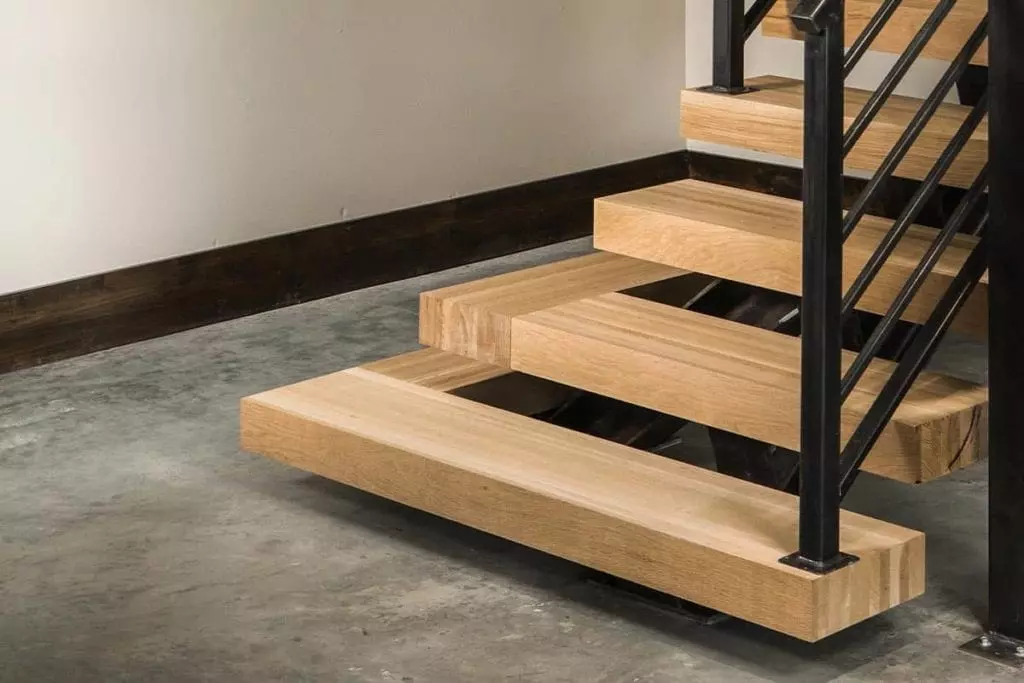

Wooden stair treads are one of those design elements that combine durability with timeless charm, making them a popular choice for modern homes across the United States. The appeal lies not only in their natural beauty but also in their ability to suit a wide range of interiors, from contemporary minimalism to rustic farmhouse styles. When thoughtfully selected and installed, wood stair treads and risers can transform a staircase into a central architectural feature that contributes both function and personality to your home.
As someone who has always been fascinated by the way design details can reshape a space, I find that stairs are often overlooked. Yet, when given the right attention, a staircase can shift the feeling of an entire house. Stylish stair wood treads create warmth underfoot, provide safety through proper design, and offer a variety of aesthetic possibilities that few other materials can match.
Why Wooden Stair Treads Remain a Popular Choice
The attraction to natural wood goes back generations. Wooden stair treads are sturdy, versatile, and age gracefully when cared for properly. Unlike carpet or synthetic materials, solid wood ages with character, showing a patina over time that softens and deepens its tones. Homeowners also value wood for its sustainability. When responsibly sourced, it becomes a renewable option that makes a family home feel more grounded in nature.
Another reason wood stair treads and risers are in demand is adaptability. They can be stained in a variety of finishes, painted to match décor, or left in their natural tone for understated simplicity. Whether you are designing a sleek modern staircase with floating steps or a traditional staircase complete with decorative railings, wood provides a flexible foundation.
Types of Wooden Stair Treads for Modern Homes
Different wood species and finishes create vastly different looks. Choosing the right one depends on your home’s style and level of daily use. Let’s break down some popular options:
Oak Stair Treads
Oak remains the most frequently used wood for stair building. It is durable, resistant to dents and scratches, and has a distinctive grain pattern that adds visual interest. Many homeowners prefer oak for busy households because the stairs experience constant traffic. Paired with oak risers, these treads give a timeless aesthetic that suits both classical and modern interiors. For deeper design inspiration, consider the guide on choosing oak stair treads for a timeless look.
Maple Stair Treads
Maple has a smoother, more uniform grain that creates a clean appearance, perfect for minimalist interiors. These stair wood treads can be stained darker to mimic more exotic hardwoods or kept in a light natural shade to brighten a staircase.
Walnut Stair Treads
Walnut stands out for its rich brown tones and striking grain variations. For upscale designs, walnut stair treads add sophistication and pair beautifully with black railings or modern steel accents.
Pine Stair Treads
Pine is softer than oak or maple, making it more susceptible to dents. However, it is budget-friendly and widely available. Painted pine stair treads can achieve a cottage-inspired look that is charming and casual.
Exotic Hardwood Options
For homeowners wanting unique aesthetics, species like Brazilian cherry, mahogany, and tigerwood provide rare beauty. These woods cost more, but they result in staircases that immediately grab attention.
Designing with Wood Stair Treads and Risers
The combination of wood stair treads and risers sets the overall mood of your stairway. Some homeowners choose solid wood for both, while others use painted risers with natural wood treads for contrast. This two-tone effect often works well in modern homes because it blends traditional warmth with contemporary design elements.
Here are some popular design approaches:
- Natural finish throughout: Highlights the authentic textures and tones of the wood.
- Dark stain treads with white risers: Creates contrast and adds brightness to the stairwell.
- Painted treads and risers: Often chosen for budget remodeling projects or bold design statements.
- Floating treads with open risers: A sleek modern look that allows light to flow through the staircase.
Safety Considerations for Wooden Stair Treads
Wood alone can be slippery, which is why homeowners often explore ways to balance aesthetics with safety. A staircase should not only look elegant, it should feel secure underfoot. Adding best non-slip stair treads for safety at home can protect loved ones without interrupting the style of your wooden stairs. Carpet stair runners are another option, softening the surface and reducing noise while maintaining the natural beauty of wood along the edges.
Maintenance Tips for Longevity
Wooden stair treads require regular care to maintain their appearance and structural integrity. Dust and dirt can act like sandpaper, dulling the finish over time. A few straightforward maintenance practices go a long way in extending the life of your staircase:
- Keep stairs clean with frequent sweeping or vacuuming.
- Use a damp cloth rather than excessive water to mop wood surfaces.
- Apply a high-quality wood polish periodically to rejuvenate the finish.
- Place doormats near entryways to control dirt and grit tracked onto the stairs.
If scratches appear, sanding and refinishing may restore the surface. For deeper dents or cracks, professional repair ensures the treads remain structurally sound.
Eco-Friendly Choices in Stair Wood Treads
Many homeowners in the United States prioritize environmentally conscious living and look for sustainable home design options. Wooden stair treads made from responsibly harvested wood or reclaimed sources contribute to eco-friendly building. Bamboo, though technically a grass, is also increasingly popular for stair treads due to its renewable qualities and impressive durability.
When selecting finishes or stains, seek non-toxic, low VOC products to create a healthier indoor environment, especially in households with children or pets.
Complementary Design Features
Wooden stair treads shine when paired with the right railings, balusters, and lighting. For instance, black iron or powder-coated metal railings create a striking visual juxtaposition with light oak treads. Glass balustrades combined with walnut or maple stair treads deliver a high-end look that feels spacious and airy.
Proper lighting, such as LED strip lights under the tread lips or wall-mounted sconces, not only improves safety but also highlights the natural grain of the wood. By designing around the staircase, you can turn it into an architectural centerpiece instead of a passageway.
Indoor vs. Outdoor Stair Wood Treads
When installing wood stair treads outdoors, choosing the correct material and protective finish is crucial. Unlike indoor stairs, outdoor stairs are exposed to moisture, sunlight, and varying temperatures. Pressure-treated or weather-resistant hardwoods such as ipe or teak work well outside. Homeowners wanting a blend of practicality and timeless style often turn to alternatives like outdoor rubber stair treads for weather safety, which can be used in conjunction with or as a protective cover for wood.
Adding Comfort Through Carpet Stair Treads
Although many families prefer showcasing natural wood, carpet stair coverings can create inviting comfort without sacrificing design. Carpet stair treads to add comfort and style can soften each step, reduce slips, and absorb sound. They come in varied textures, from plush wool to practical synthetic fibers, allowing homeowners to customize their staircase to their lifestyle.
Where to Begin Your Staircase Journey
For those planning a renovation, researching options is the first step. Exploring a guide such as stair treads can provide clarity on material choices, finishes, and maintenance. Consulting with a professional carpenter ensures measurements are precise, installation meets building codes, and design choices align with your vision for the space.
Conclusion
Stylish wooden stair treads are more than a simple flooring solution for modern homes. They bring character, warmth, and a sense of craftsmanship to a staircase while providing reliable function. Whether choosing oak for its classic grain, walnut for its striking tones, or maple for its clean smooth surface, wood stair treads and risers give homeowners both flexibility and tradition. By maintaining them properly, pairing them with safety features, and selecting designs that reflect your personality, stair wood treads can become an integral design statement that elevates your home’s ambiance.
A well-designed staircase has the power to greet guests, support everyday routines, and stand as one of the most appreciated features of your living space. With the right wooden stair treads, your home gains not just utility but warmth and beauty that will endure for years.